





I'm fascinated with how the smartest people in the world get their work done. That's what Superorganizers is about: seeing all of the little habits that make up a great work day and a great life. Artificial intelligence has changed what it means to be productive and efficient at work, so we decided to revisit some of our favorite interview subjects to understand how their routines have changed in the era of AI models. Last week, we spoke to designer Marie Poulin and newsletter writer Polina Pompliano. Today, we’re back with former Holloway CEO Andy Sparks, now using his experience to coach other CEOs—Dan Shipper
Was this newsletter forwarded to you? Sign up to get it in your inbox.
Andy Sparks used to use an “operating system for work.” When the then-CEO of the publishing startup Holloway first spoke with Every in 2019, he had created an intricate and novel organizational system using Notion, inspired by fellow Superorganizers interview subject Marie Poulin. Back then, Sparks used the tool to keep track of weekly agendas, a to-do-list, and even the company's values.
A lot has changed since then. Sparks left Holloway and has spent the past four years as an executive coach. His relationship with Notion has evolved too. While he no longer needs Notion for team collaboration, it's become an even more crucial tool for maintaining what he calls his “second brain.”
We caught up with Andy to explore how his systems have evolved, what he thinks about AI's impact on personal organization, and why he's betting on tools like Perplexity to transform how we learn and retain knowledge.
Has life and work changed since we last talked?
Definitely! You all published the first piece in August of 2019. I was CEO of a startup then. I’m now an executive coach to about 15 CEOs. I don’t need Notion as much as a collaborative tool, but more one to make sure any information I need is easily at my fingertips.
Why did you initially start using Notion as an "operating system"?
I started using Notion as a knowledge management platform for my startup, Holloway, back in 2017. I like tinkering with new products, and the more I started using Notion the more I liked it.
Sponsored by: Every
Tools for a new generation of builders
When you write a lot about AI like we do, it’s hard not to see opportunities. We build tools for our team to become faster and better. When they work well, we bring them to our readers, too. We have a hunch: If you like reading Every, you’ll like what we’ve made.
The main feature that grabbed me was how Notion displayed documents in a database view and allowed you to add and edit properties. Before Notion, your documents were stuck in a user interface like Apple Finder or Google Drive, where you have a filename with a bunch of properties in a view that hadn’t meaningfully changed in functionality since I first began using computers in the 1990s.
Are you still keeping up your commitment to using Notion? What's stayed the same? What's changed?
I’ve since left my startup, Holloway, but have expanded my use of Notion personally and for my coaching business in a huge way. Notion is easily the tool I use the most.
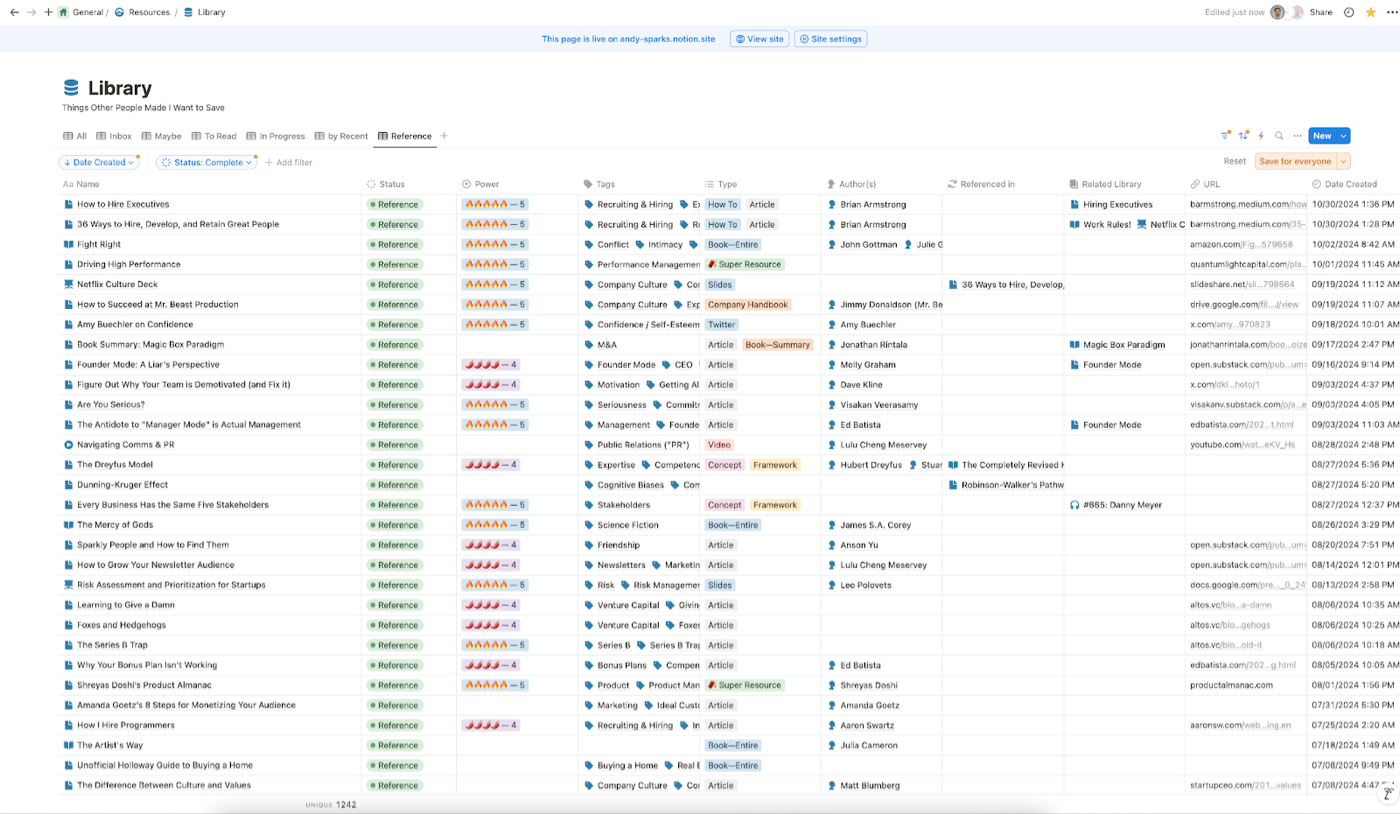
In 2020, I began watching Marie Poulin videos on YouTube—she has an absolutely insane Notion setup. I copied a lot of what she does: databases for meetings, people, a library (any books, notes on books, clipped articles, etc.), quotes, and tags, all with relations between them.
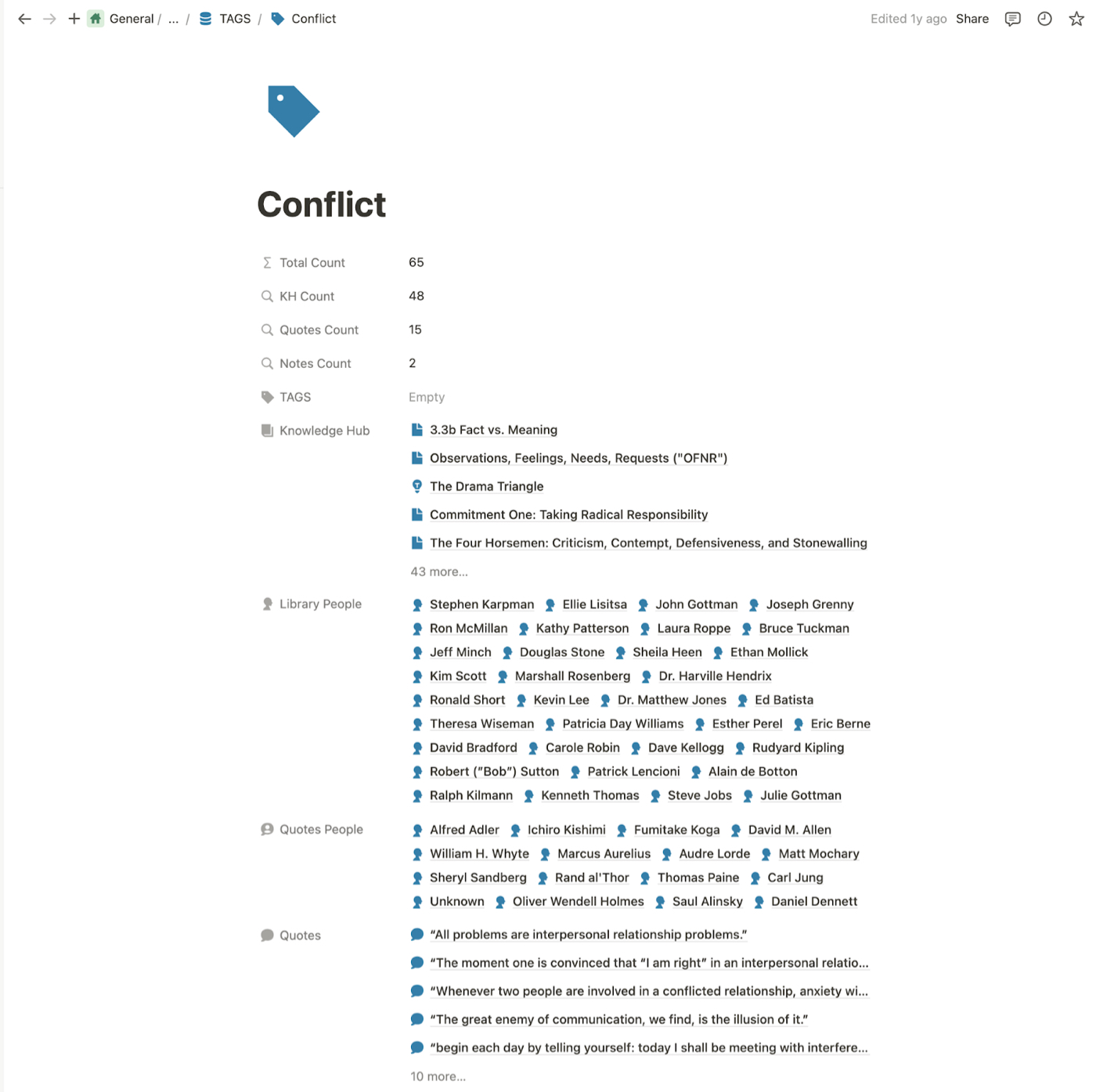
If I’m ever researching or writing about a topic, or looking for resources to recommend to someone in a specific situation, it genuinely feels like I have a second brain I can access that is catalogued in a way that helps me find things that I’d otherwise be left wondering, “What was the name of that article?”
I no longer use Evernote. I’ve migrated everything over to Notion now. Instead of just keeping a list of books with notes in Evernote, everything is in my library database.
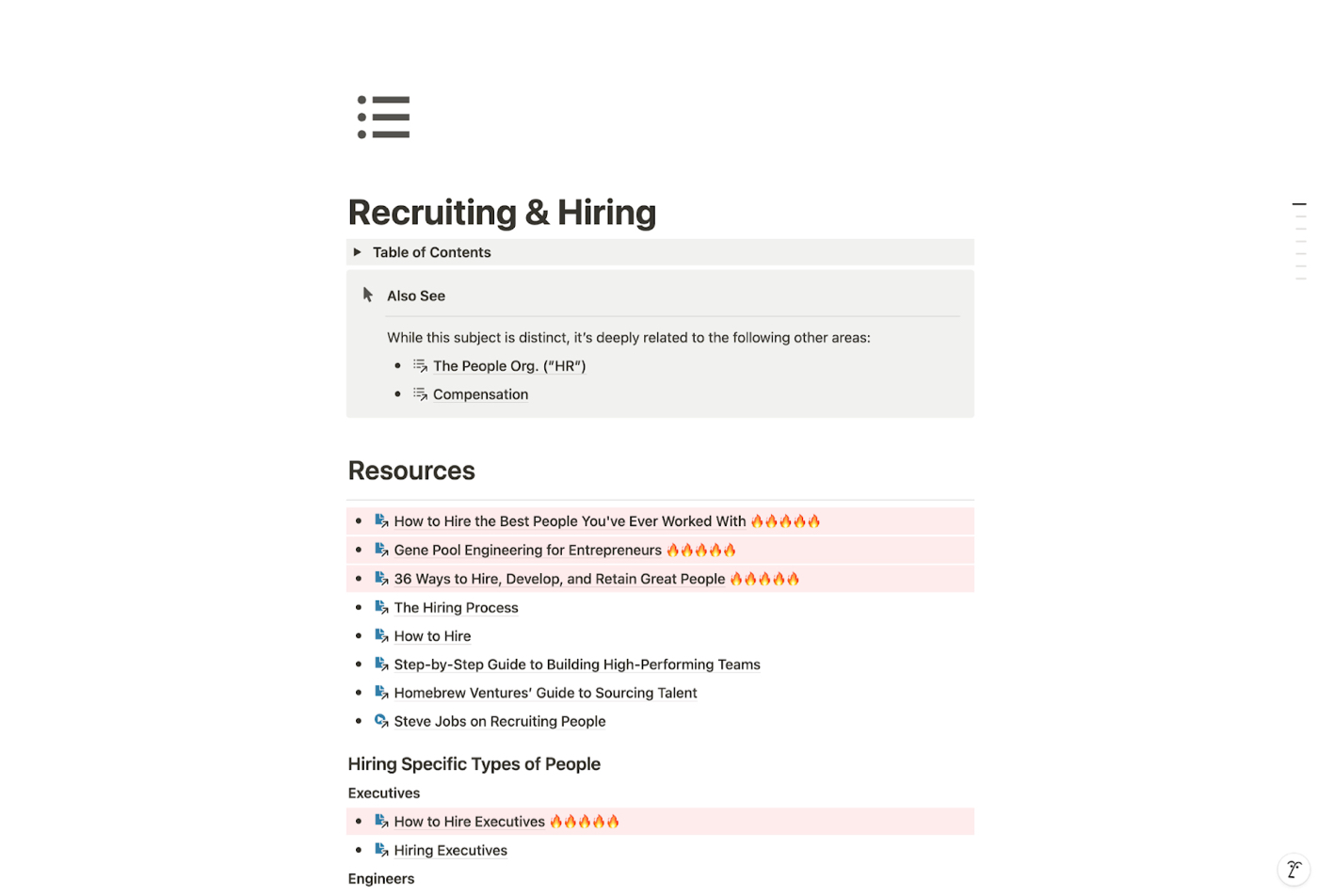
Having all content I consume or want to reference in that database allows me to create topic-specific rollups for clients like “Recruiting and Hiring.”
Have you incorporated AI into this project or any other of your organizational practices?
I’ve found Notion’s AI to be pretty useless so far, but I anticipate that will change. I’d like to be able to ask it, “Summarize all notes in my meetings database with [a specific name] in the note title and pull out themes.” It’s not good at that right now, but I bet it will be.
Are there other ways that AI has changed how you stay organized?
I use Perplexity daily. I rarely use Google anymore. I’ll use Perplexity for daily queries I used to use Google for, but I’ve also loved the feature where I can upload PDFs. I’ve gotten in the habit of paying for Kindle ebooks (so the author gets paid) but then uploading a PDF version of that book to Perplexity so I can ask it questions and summarize sections. This is particularly useful for books that are poorly written but still interesting.
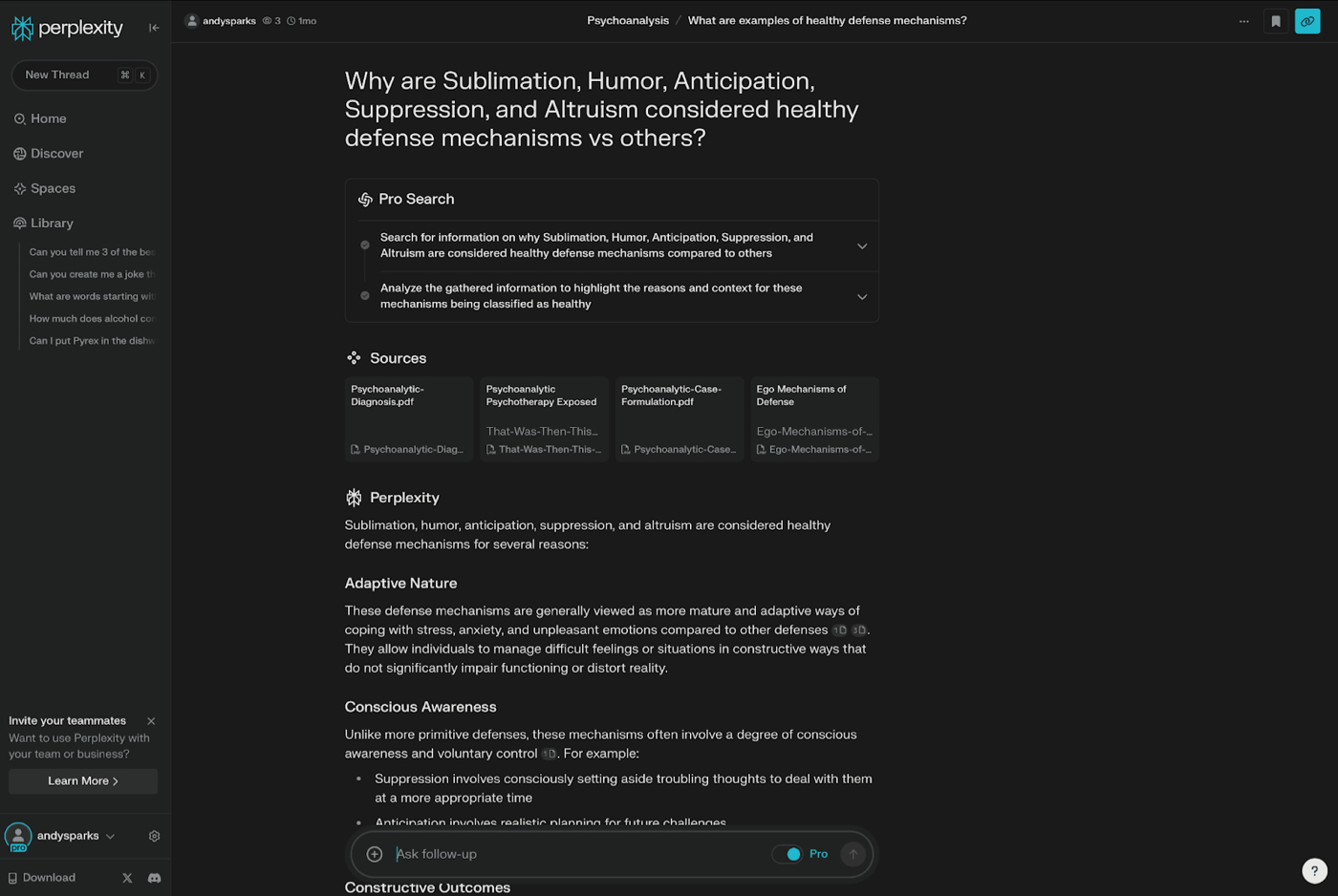
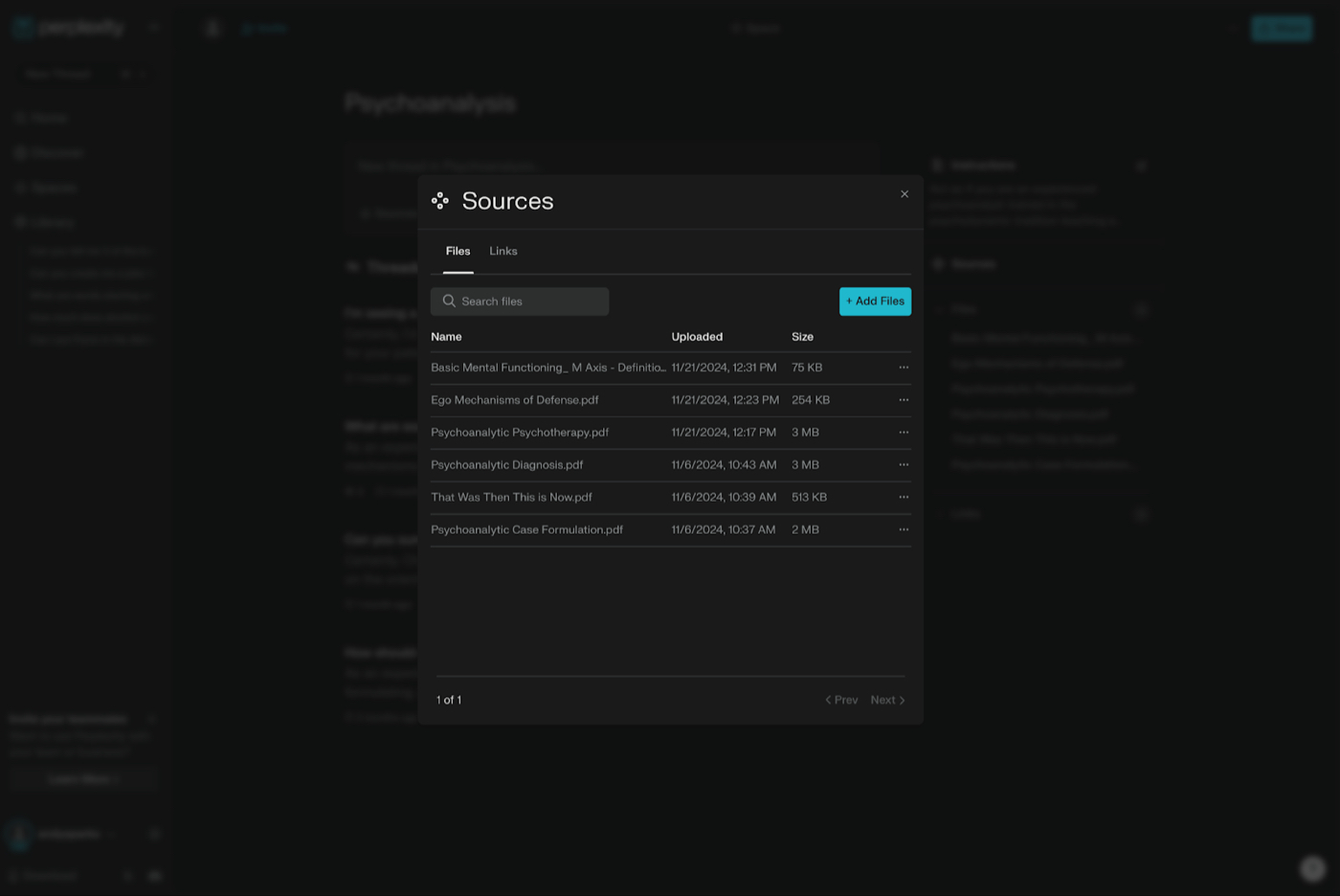
I also like using their “Spaces” tool to upload several topic-specific books (say, 5–10 books on psychotherapy) and then asking Perplexity to act as a tutor to me as I learn about the topic.
Scott Nover is a contributing editor for Every. He’s a contributing writer at Slate and the lead writer for the GZERO AI newsletter. He was previously a staff writer at Quartz and Adweek. He currently lives in the Washington, D.C. area.
To read more essays like this, subscribe to Every, and follow us on X at @every and on LinkedIn.
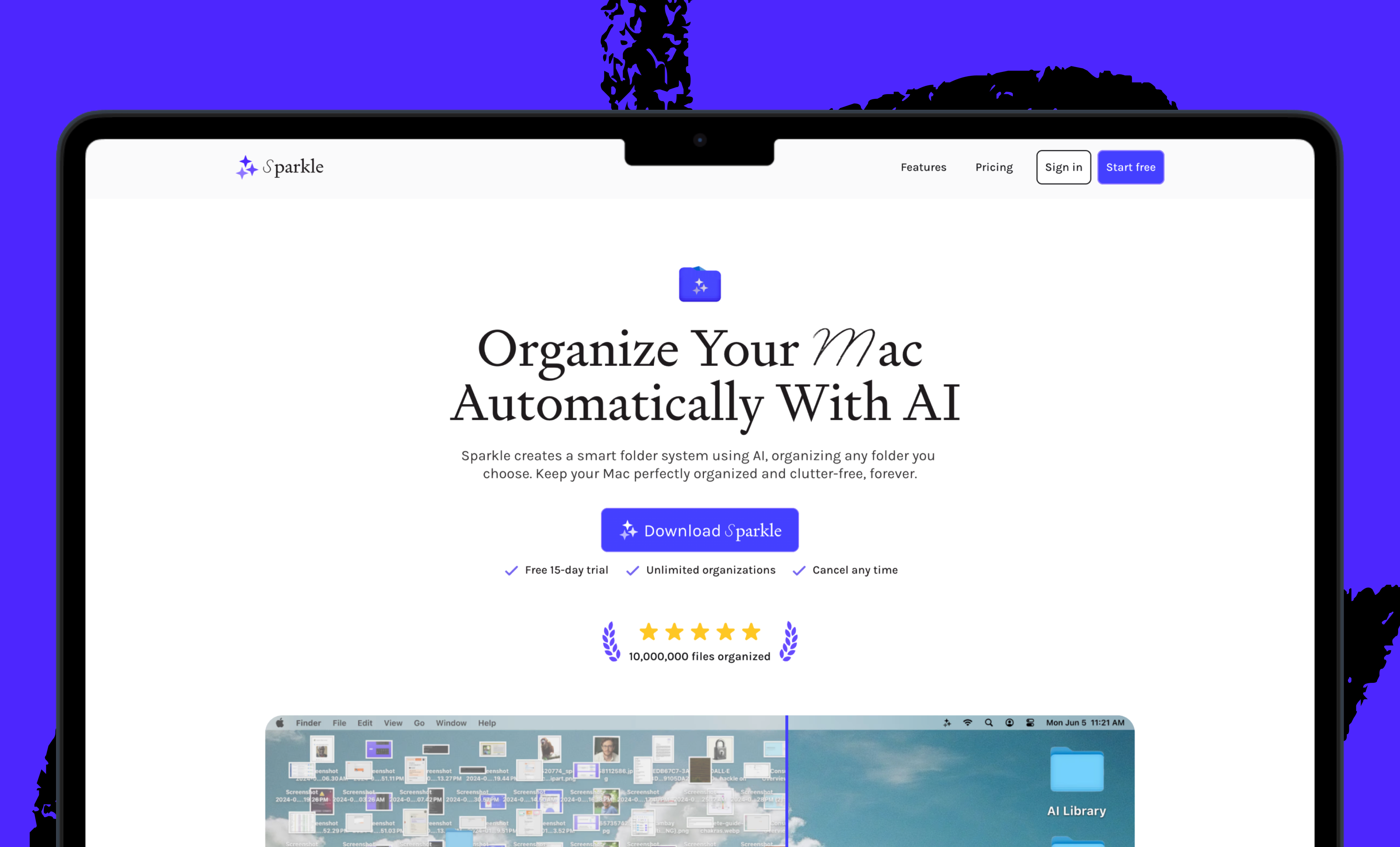
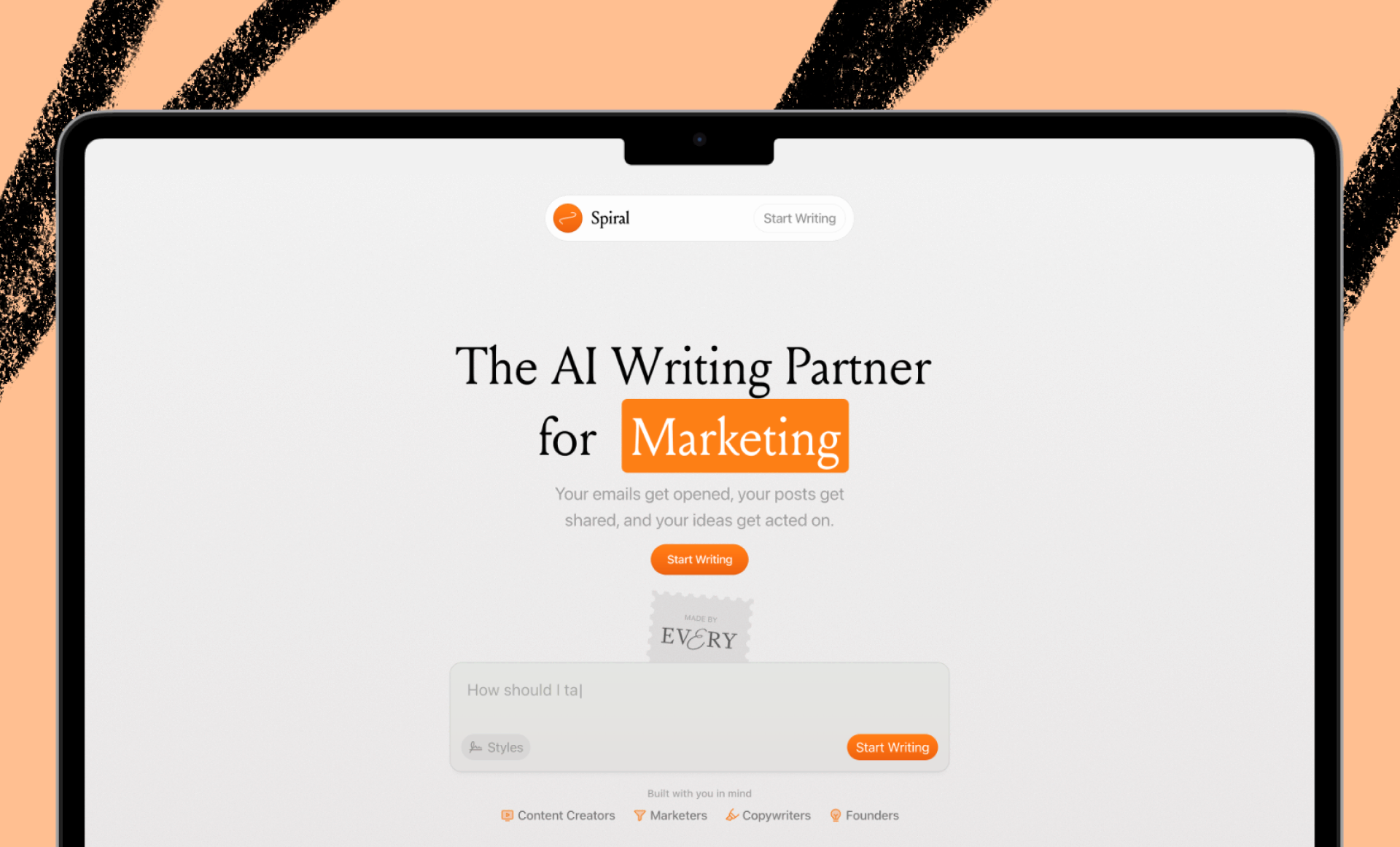
We also build AI tools for readers like you. Automate repeat writing with Spiral. Organize files automatically with Sparkle. Write something great with Lex.
Get paid for sharing Every with your friends. Join our referral program.
The Only Subscription
You Need to
Stay at the
Edge of AI
The essential toolkit for those shaping the future

"This might be the best value you
can get from an AI subscription."
- Jay S.
 Every Content
 AI&I Podcast
 Monologue
 Cora
Cora
 Sparkle
 Spiral
Join 100,000+ leaders, builders, and innovators

Email address

Already have an account? Sign in
What is included in a subscription?
Daily insights from AI pioneers + early access to powerful AI tools
 Front-row access to the future of AI
 In-depth reviews of new models on release day
Playbooks and guides for putting AI to work
Prompts and use cases for builders
In-depth reviews of new models on release day
Playbooks and guides for putting AI to work
Prompts and use cases for builders
In-depth reviews of new models on release day
Playbooks and guides for putting AI to work
Prompts and use cases for builders
In-depth reviews of new models on release day
Playbooks and guides for putting AI to work
Prompts and use cases for builders
 Bundle of AI software



 Scott Nover


 Reviews of new AI models on release day
Comments
Don't have an account? Sign up!