





Hello, and happy Sunday!
This week our team explored the impact of AI on emotions. I wrote about how people are using chatbots for sexual intimacy. Dan found clarity by using the new ChatGPT voice mode to reflect on his own feelings. It’s a new world where our technology is explicitly—pun intended—designed to soothe us. You’ll want to dig into this week's summaries—things are changing fast out there.—Evan Armstrong
Was this newsletter forwarded to you? Sign up to get it in your inbox.
Knowledge base
"The Horny Truth About AI Chatbots" by Evan Armstrong/Napkin Math: AI chatbots are the new frontier of digital companionship, with millions of users seeking everything from emotional support to steamy conversations. But before you judge, consider this: 60 percent of Americans report regularly feeling lonely. Read this for a deep dive into the unexpected intersection of AI, loneliness, and human connection.
"Twitter's Future Is a Return to Elon Musk's Past" by Gareth Edwards/The Crazy Ones: You have probably wondered why Elon Musk is so obsessed with turning Twitter into X. Turns out, it's a 25-year-old grudge. In 1999, Musk founded X.com, dreaming of a "global financial nexus." But a brutal boardroom coup (while Musk was on his honeymoon, no less) stripped him of control. Now, he's trying to recreate that dream with Twitter. Read this for a wild ride through tech history that explains the billionaire's current moves and shows how the ghosts of failures past can haunt even the most successful entrepreneurs.
"Here’s a Million-dollar Software Idea" by Evan Armstrong/Napkin Math: Want to make millions? Evan's got a recipe for you: ambient software. It's a new way of thinking about enterprise tech that could disrupt giants like Salesforce. The secret sauce is using large language models that automate everything but the database, making software simpler and more powerful. Read this if you're looking for the next big thing in tech or just want to daydream about your future yacht.
"How Packy McCormick Finds His Next Big Idea" by Dan Shipper/Chain of Thought: Ever wonder how one of tech's most influential voices uses AI to write and invest? In his latest episode of AI & I, Dan sat down with Packy McCormick of Not Boring to find out. From using Claude to edit his newsletter to creating interactive graphics for complex concepts, Packy's AI toolkit is surprisingly simple yet effective. Read this if you want to learn how to leverage AI for better writing, deeper research, and smarter investing. 🎧 Listen to the full conversation on Spotify or Apple Podcasts, or read the full transcript.
"ChatGPT's New Voice Is Eerily Human" by Dan Shipper/Chain of Thought: Imagine having a conversation with an AI that feels as natural as chatting with a friend. That's the reality with ChatGPT's new Advanced Voice Mode. Dan tested it out and found it's not just incremental progress—it's a leap into the future that makes Siri and Alexa look like relics. Read this to learn how AI voice tech is evolving from clunky robot to smooth conversationalist, and how it might just help you become a better version of yourself.
Fine tuning
The government wins against Google
The biggest news of the week came out of the United States court system. For many years, Google has paid tens of billions to Apple and Samsung for making its search engine the default on their mobile phones. A judge ruled that Google abused its monopoly power and broke federal antitrust laws.
Why did they win? For most of U.S. history, there has been a cultural aversion to anything representing dominance by one company, especially in instances where it increases costs for consumers. Google has been able to skate by most monopoly accusations because consumers overwhelmingly prefer its free offering over competitors from DuckDuckGo, and happily for Apple’s shareholders, it was paying Apple billions of dollars for the privilege of offering its search engine. Google’s argument was essentially that how could something that cost billions be a monopoly? The government successfully argued that the Sherman Act forbids the extension of monopoly power through the use of contracts. So the act of spending that money was an abuse of monopoly power, even though it didn’t raise prices on consumers. Purchasing market share for Google means the company can use a balance sheet, not innovation, to protect its market position.
 Create a free account to continue reading
The Only Subscription
You Need to
Stay at the
Edge of AI
The essential toolkit for those shaping the future

"This might be the best value you
can get from an AI subscription."
- Jay S.
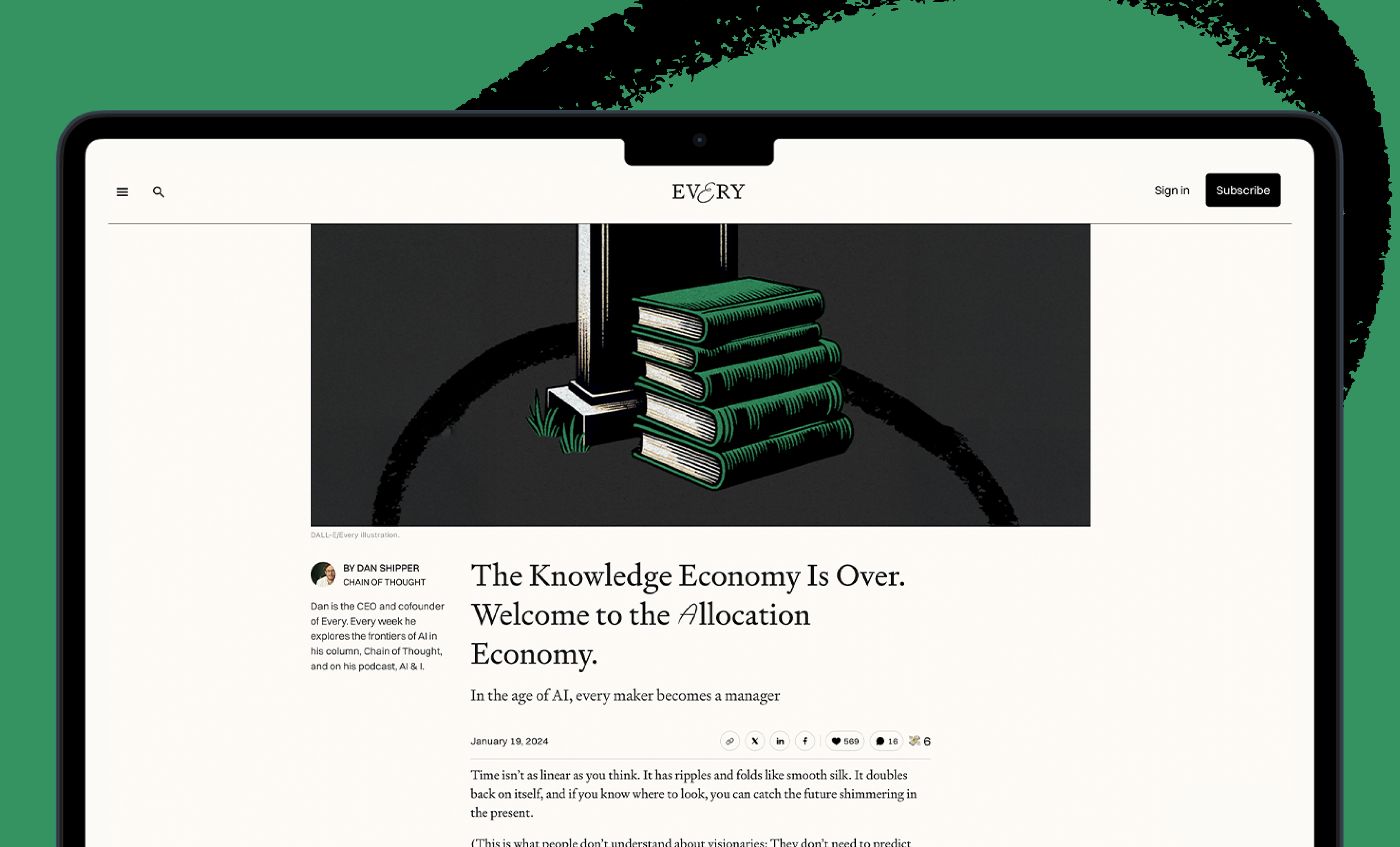
 Every Content
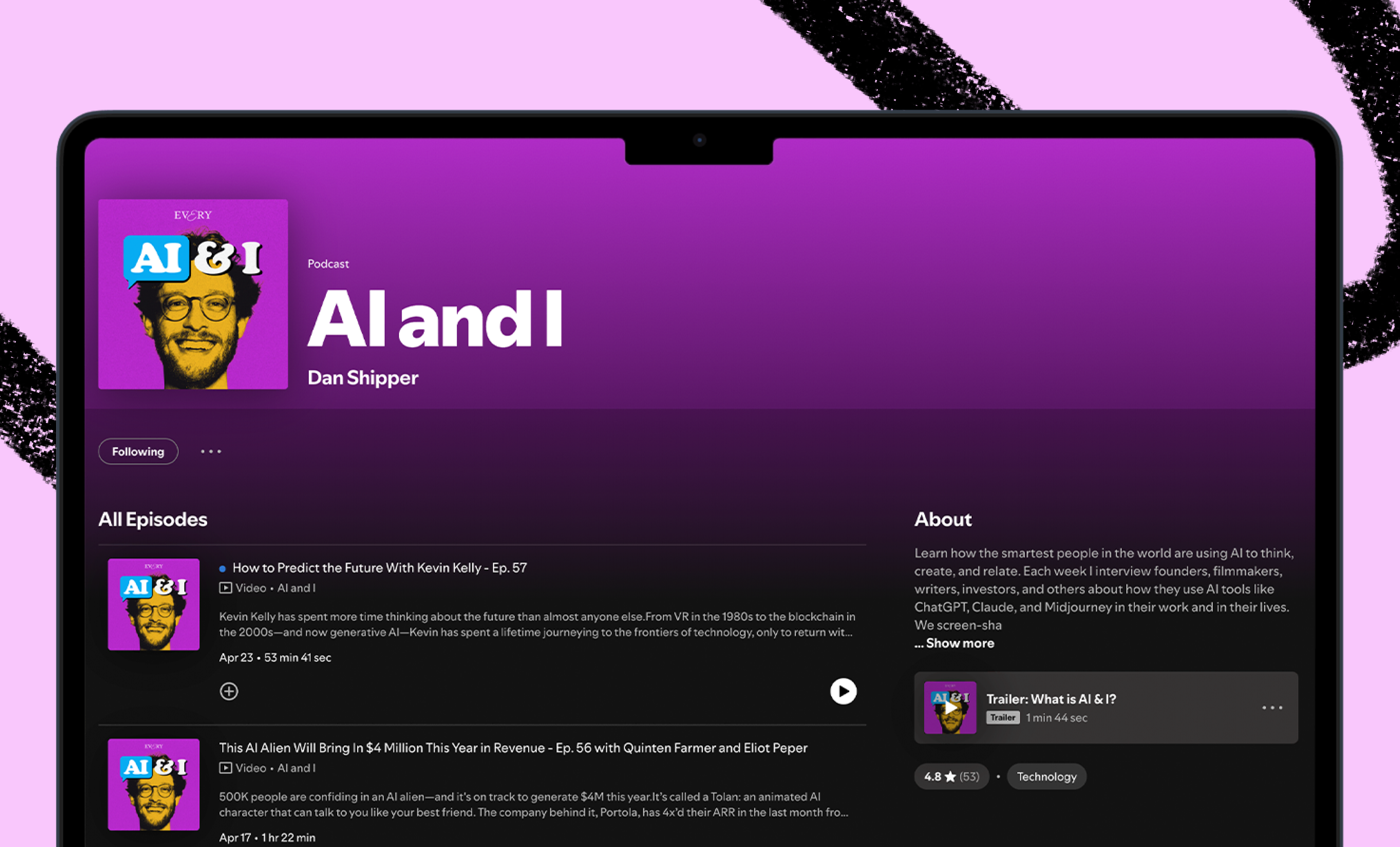
 AI&I Podcast
 Monologue
 Cora
Cora
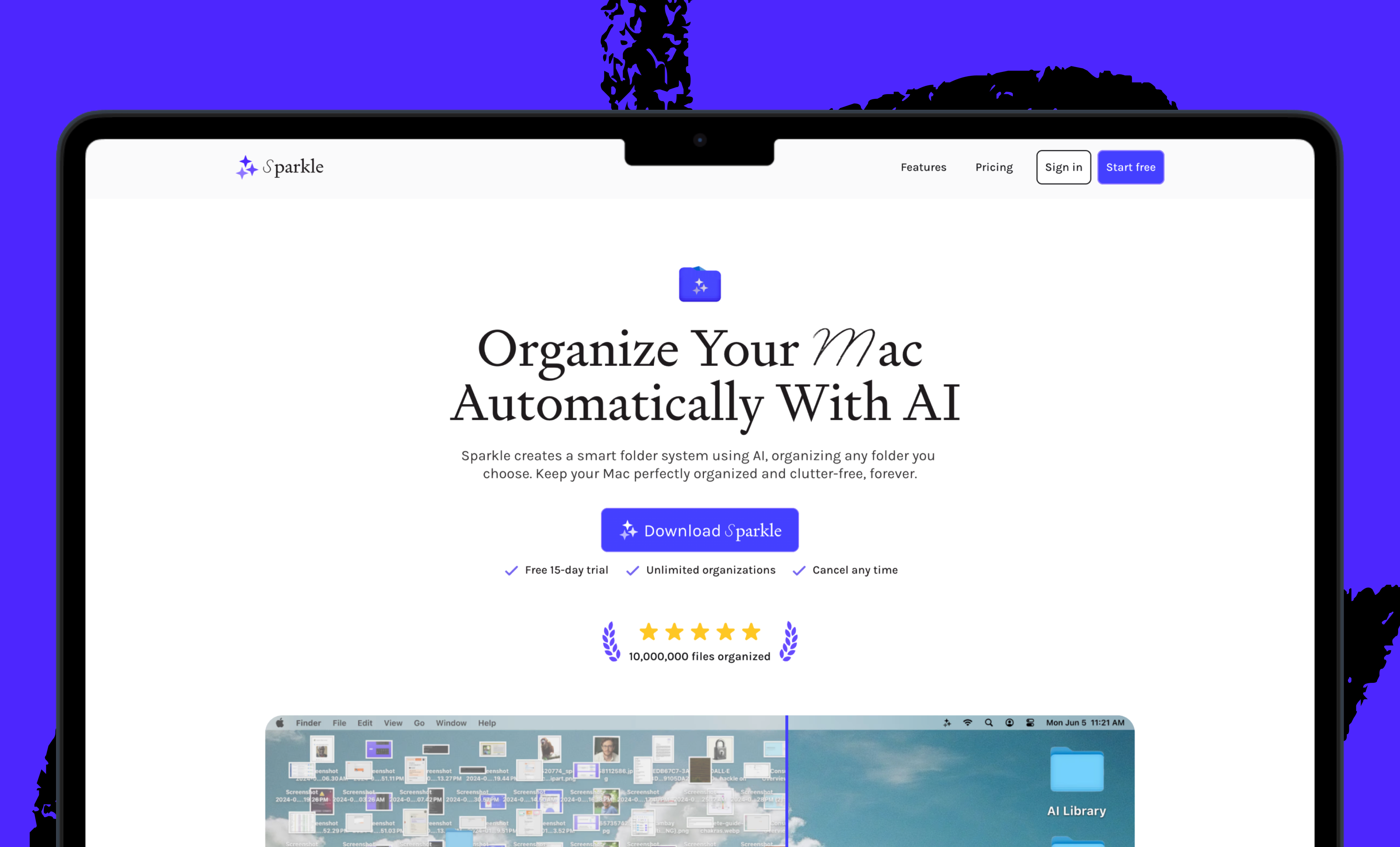
 Sparkle
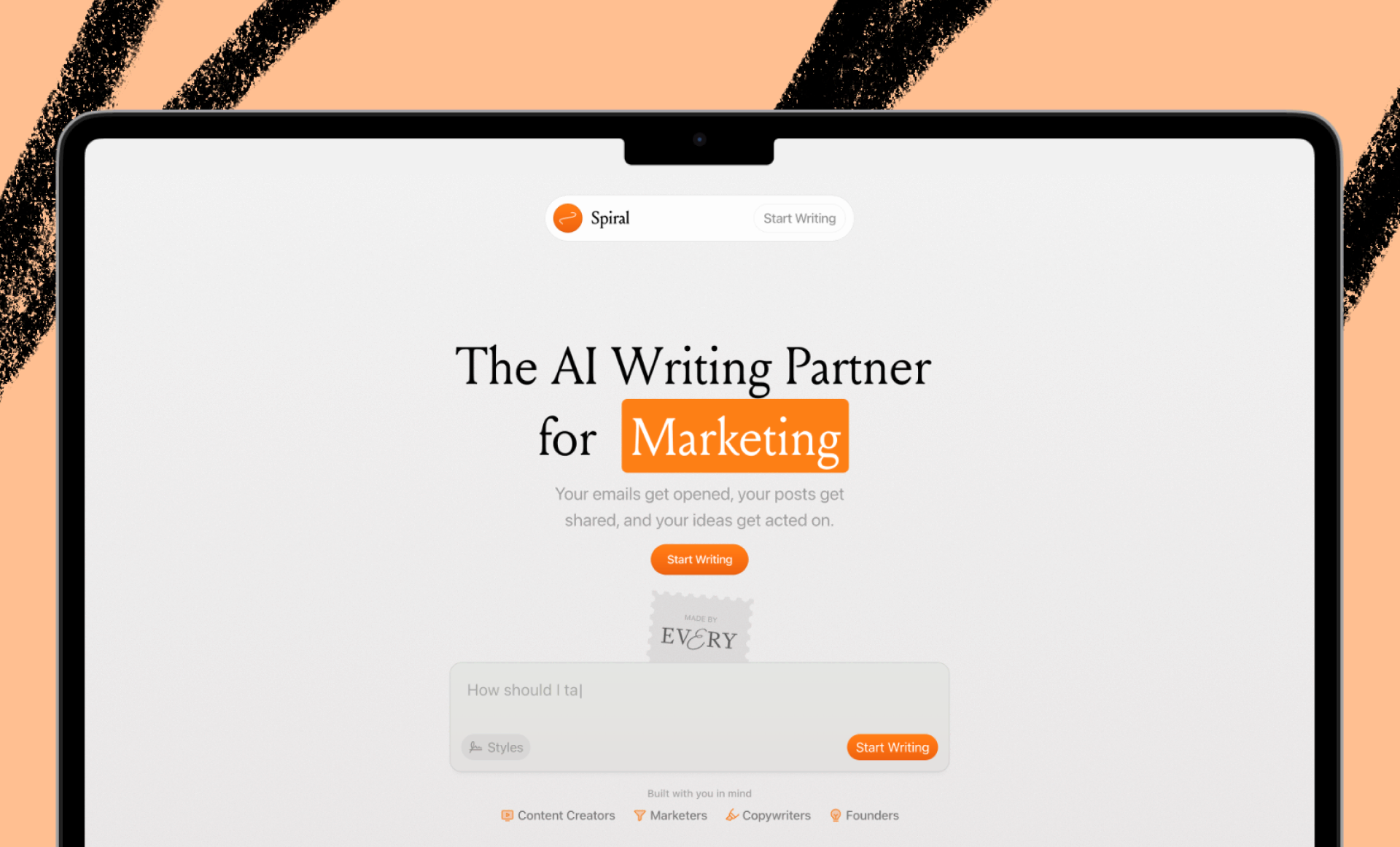
 Spiral
Join 100,000+ leaders, builders, and innovators

Email address

Already have an account? Sign in
What is included in a subscription?
Daily insights from AI pioneers + early access to powerful AI tools


 Front-row access to the future of AI
 In-depth reviews of new models on release day
Playbooks and guides for putting AI to work
Prompts and use cases for builders
In-depth reviews of new models on release day
Playbooks and guides for putting AI to work
Prompts and use cases for builders
In-depth reviews of new models on release day
Playbooks and guides for putting AI to work
Prompts and use cases for builders
In-depth reviews of new models on release day
Playbooks and guides for putting AI to work
Prompts and use cases for builders
 Bundle of AI software






 Alex Duffy

 Evan Armstrong
 Reviews of new AI models on release day
Comments
Don't have an account? Sign up!