




Hello, and happy Sunday! Our Black Friday sale is still on: Get 25% off a paid Every subscription when you upgrade—full access to Every’s AI tools, expert courses, model reviews, and hundreds of essays. Offer ends December 1 (that’s tomorrow!).
Was this newsletter forwarded to you? Sign up to get it in your inbox.
Vibe Check: What everyone else thinks about Opus 4.5
If you read our Vibe Check or have seen us on X, you might have picked up on the fact that we’re excited about Claude Opus 4.5. But what about the world beyond the Every Discord channel? Here’s what we’re seeing:
‘Anthropic finally figured out what we actually do all day’
AI strategy consultant Stephen Smith frames Opus 4.5 as a paradigm shift in how AI fits into business workflows. He tested it by feeding the model a 50-page PDF market research report and asking for a 10-slide board deck—two minutes later, he had a downloadable PowerPoint file with titles, bullets, and charts. Smith calls this “a shift from generative AI to administrative AI. It’s no longer just giving you ideas; it’s doing the grunt work.”
Solid slide deck from a three-line prompt
A longstanding criticism of AI has been its inability to generate well-proportioned slides—plenty of content, but lots of manual cleanup required to fix spacing, padding, and layout. Solo founder and operator Adam Shilton tested whether Opus 4.5 solved this. With a three-line prompt, the model executed 103 steps to create a presentation from a sales transcript, checking spacing and fixing errors as it went.
Why the coding use case reigns supreme
Raiza Martin, co-founder at the personalized content platform Huxe, positions Opus 4.5’s coding strength as a savvy strategic move. She argues that coding unlocks immediate productivity gains for both amateurs and experts, reveals adjacent use cases (data analysis, slide decks, computer control), and enables new software paradigms. “A world with reliable generative code means anything can be generated on the fly once it gets cheap enough,” she says, adding that code “fully deserves to be the #1 priority for all major labs.”
Not everyone is impressed
Jason Lee, an associate professor at University of California, Berkeley and former Google DeepMind research scientist, tested Opus 4.5 on its understanding of research in AI and machine learning and found serious limitations. The model struggles with mathematical reasoning, refuses to provide proofs no matter how you prompt it, and makes claims that are “wrong, but in subtle ways.” He also flags low rate limits even on the Max plan. Lee ranks it behind competitors: “GPT 5.1 Pro > Gemini 3 >> Opus 4.5 ~ Grok,” adding, “Congrats to Gemini team, this release makes y’all look ok now.”
It’s so over for everyone… until next week
Matt Turck, a partner at venture capital firm FirstMark, captured the frenzy of November 2025’s release cadence. Last week, after Gemini 3 dropped, he posted: “Google is back and it’s so over for OpenAI and Anthropic, until next week/month of course when it will be so over for Google for at least a few weeks.” This week, with Opus 4.5’s arrival: “Update: Now with Claude Opus, it’s so over for Google/Gemini and OpenAI.”
The consensus, minus a few dissenting voices: Opus 4.5 excels at getting stuff done. Autonomous execution, administrative grunt work, code that’s ready to be in production—this is where the model shines and where most knowledge workers will feel the difference. And if Matt Turck’s right about anything, it’s that we’ll all be having this exact conversation about a different model in a couple weeks anyway. We’re here for it.—Katie Parrott
Knowledge base
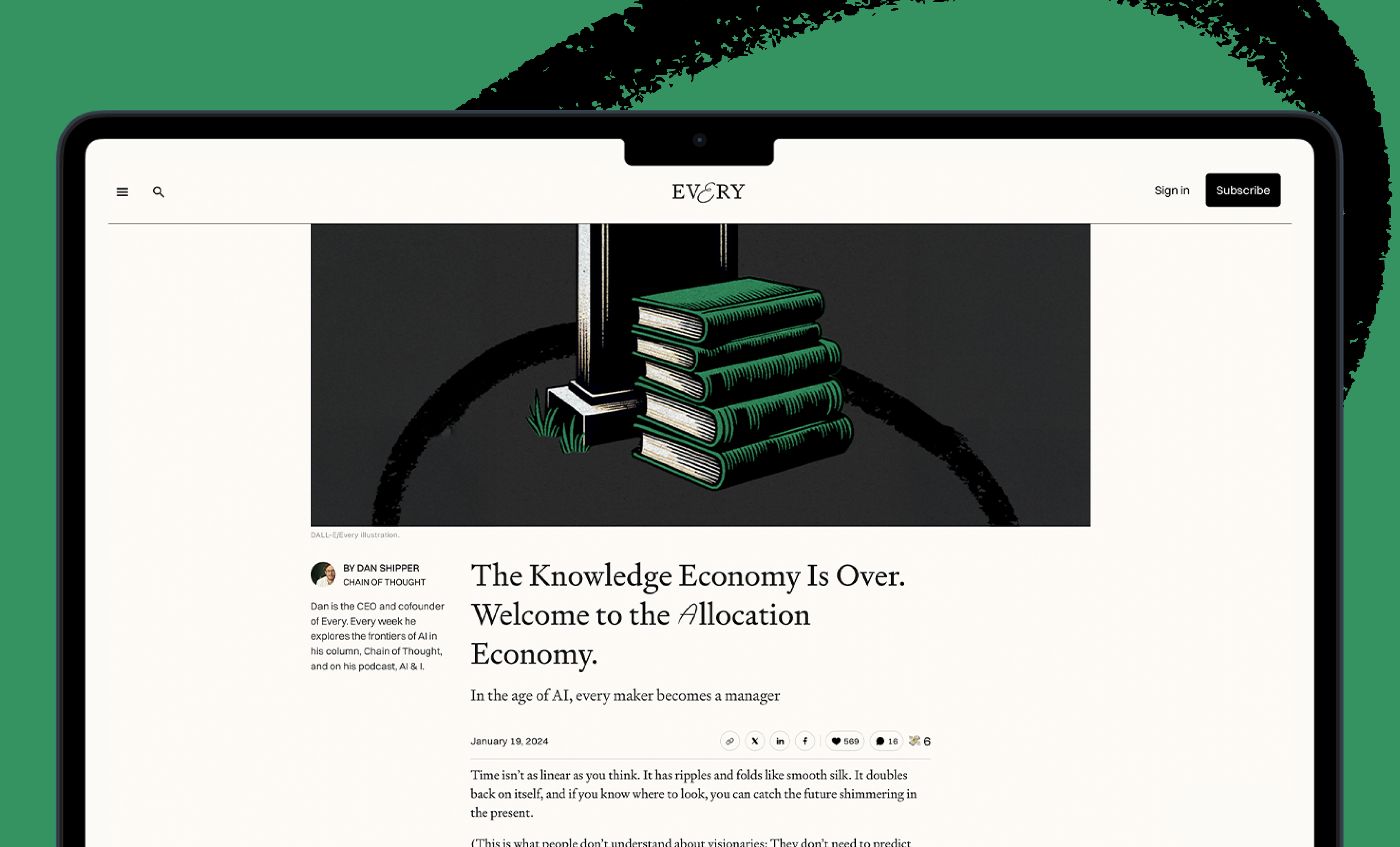
“Vibe Check: Opus 4.5 Is the Coding Model We’ve Been Waiting For“ by Katie Parrott, Dan Shipper, and Kieran Klaassen/Vibe Check: Anthropic dropped the best coding model Every has ever used (yes, really). Opus 4.5 extends the horizon of what you can realistically vibe code— Kieran Klaassen stress-tested it by running 11 projects in six hours without a single derailment—but it’s not perfect. Opus 4.5 is too gentle when it comes to editing someone’s writing; it called Katie Parrott‘s draft “pretty solid” and flagged only seven issues, where Sonnet caught 47 problems and said the draft needed a structural overhaul. Read this for Every’s day-zero breakdown and learn why some (but not all) of us are adopting Opus 4.5.
“The AI Browsers That Made It Into Our Daily Workflow” by Rhea Purohit/Vibe Check: The browser wars are back—OpenAI’s Atlas, The Browser Company’s Dia, and Perplexity’s Comet all have AI browsers in market. The Every team has been putting them through their paces to see which are worthy of everyday use. Growth lead Victor Stepanov likes Atlas’s Agent Mode to orchestrate two AI agents (Atlas and Spiral) to generate drafts autonomously. Yash Poojary, the general manager of Sparkle, hits Dia’s rate limit constantly asking quick coding questions, and consulting partner Natalia Quintero relies on Comet’s tight integration with Perplexity’s email assistant to draft documents agentically. Read this for the team’s full breakdown of what works, what’s broken, and what’s on our wishlist for new AI browser features.
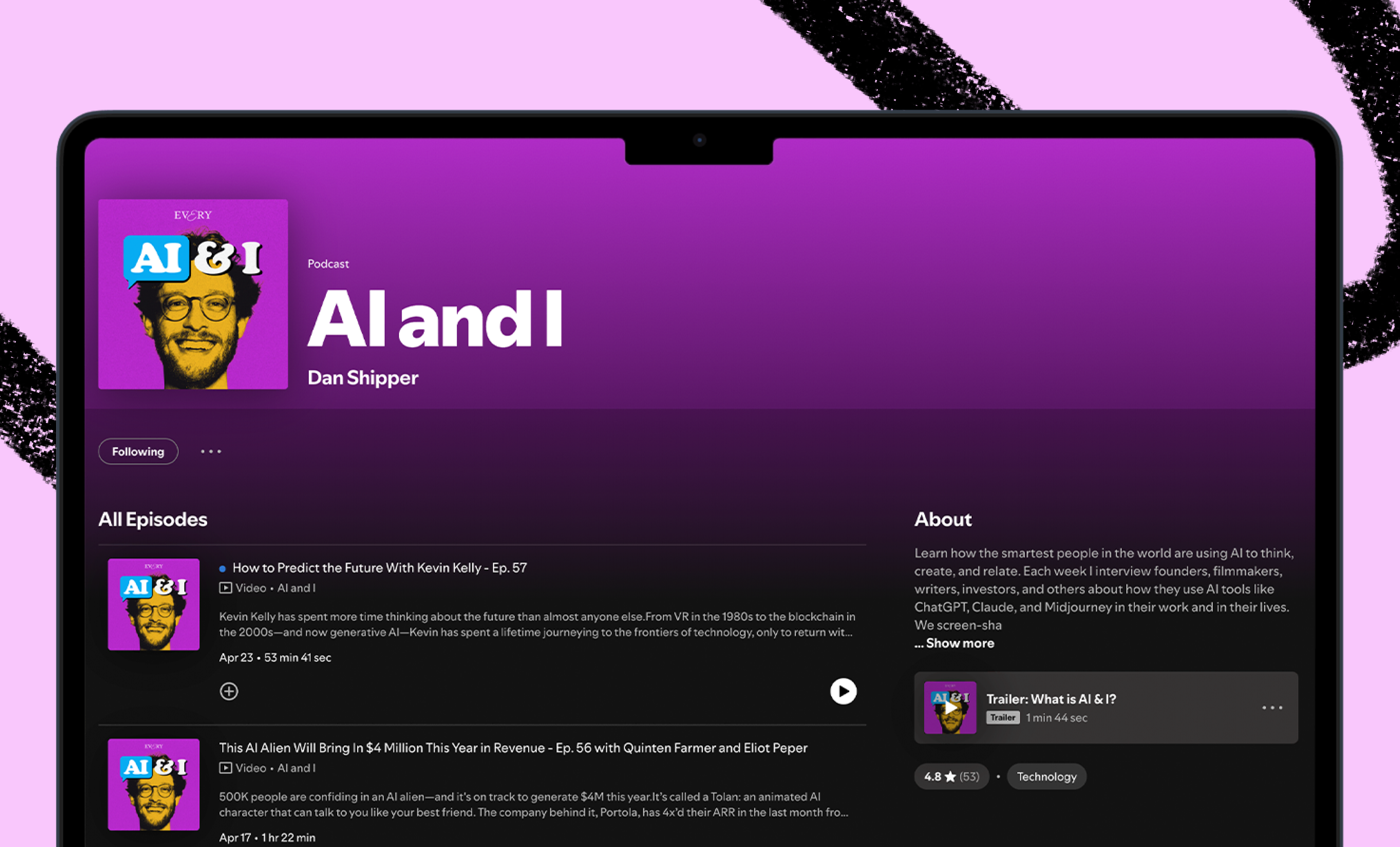
🎧 “Inside The Browser Company: Why They Killed Arc to Build Dia” by Rhea Purohit/AI & I (republished): Arc had millions of users and a devoted fanbase, but when AI changed what was possible, cofounders Josh Miller and Hursh Agrawal changed courset. In this conversation with Dan Shipper, they explain how a prototype triggered the strongest user reaction they’d ever seen, why Miller’s indecision about the pivot is the period he regrets most, and how Dia’s memory feature almost got cut until the technology caught up six weeks before launch. Listen to this for the inside story on what it feels like to abandon a beloved product for an idea you can’t fully see yet. 🎧 🖥 Listen on Spotify or Apple Podcasts, or watch on X or YouTube.
Alignment
I’m loving learning again. As a Brit, Thanksgiving has always been a bit of an alien concept to me. I used to think of it as Christmas lite, or adjacent. But I’ve come to love the sentiment—taking a moment to notice and appreciate the good in your life.
I was listening to writer and Harvard Business School professor Arthur Brooks on his YouTube channel recently, and he explained that gratitude interrupts negative rumination. When your mind gets stuck looping on the same worry or frustration, actively noticing what you’re thankful for breaks the cycle, and your amygdala, the part of the brain that generates our fear response, releases its grip. In other words, you unclench.
I’ve been in one of those loops. For the past few months I’ve been banging my head against equity research reports, trying to understand enterprise value and earnings per share, because the language of finance is increasingly important for my writing on biotechnology. But I feel like they’ve been designed to turn my brain into sludge. I’d read explanations, feel stupid, give up, try again.
Then I started using GPT Pulse, OpenAI’s personalized daily research assistant. Each morning it sends me bite-sized teaching material—two or three minutes, with examples, building on what I learned yesterday. It’s basically spaced repetition on my phone that’s dumbed down so that a 5-year -old could understand. It’s like receiving a mini-MBA! Three years ago, this was unimaginable. Now it’s just... Tuesday.
People say you’re only limited by your curiosity. I used to think that was a cliché, but I feel like a kid in school again—excited to learn, understanding things that once seemed locked away. That’s what I’m grateful for this year. The feeling that technology has given back to me.—Ashwin Sharma
That’s all for this week! Be sure to follow Every on X at @every and on LinkedIn.
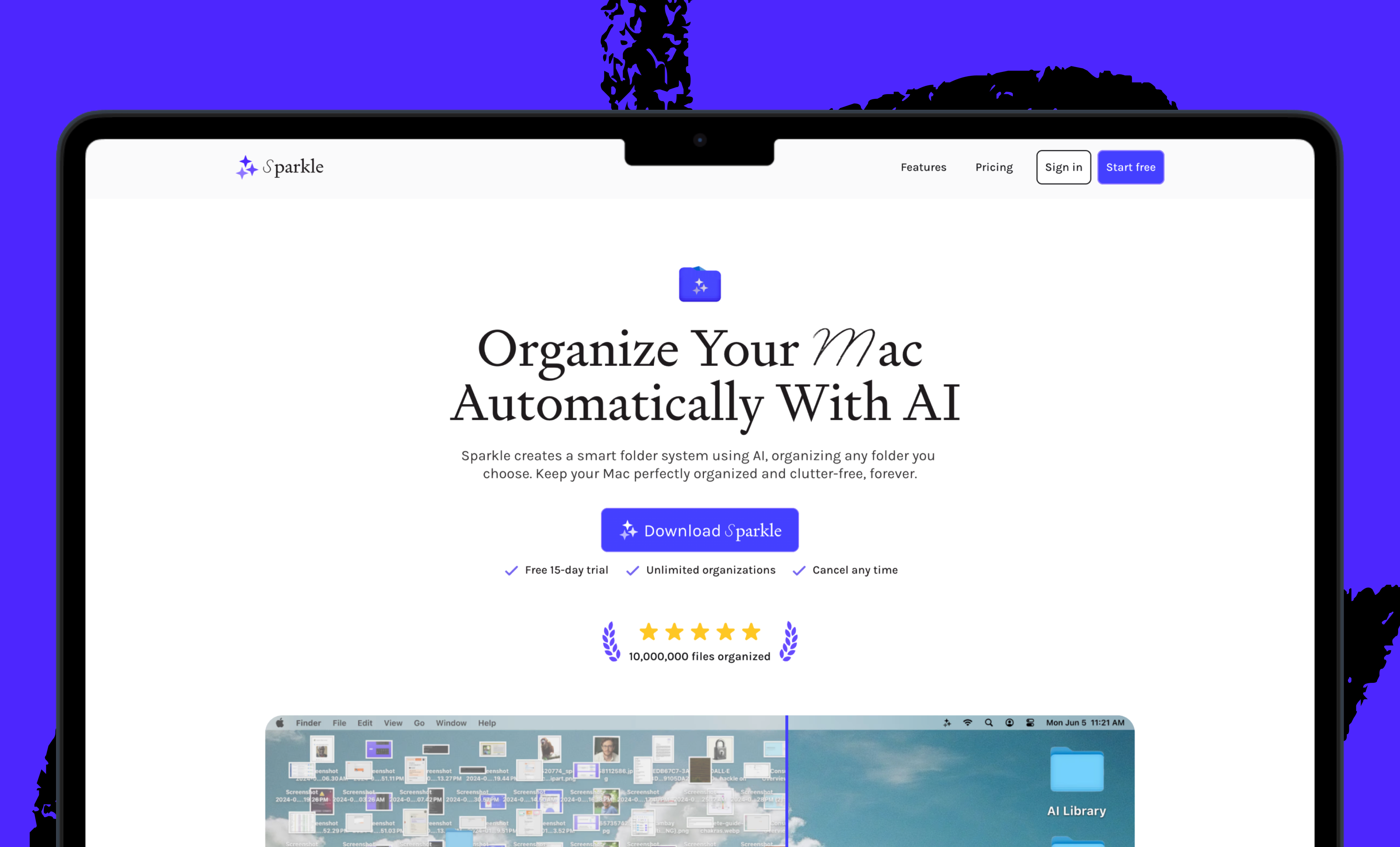
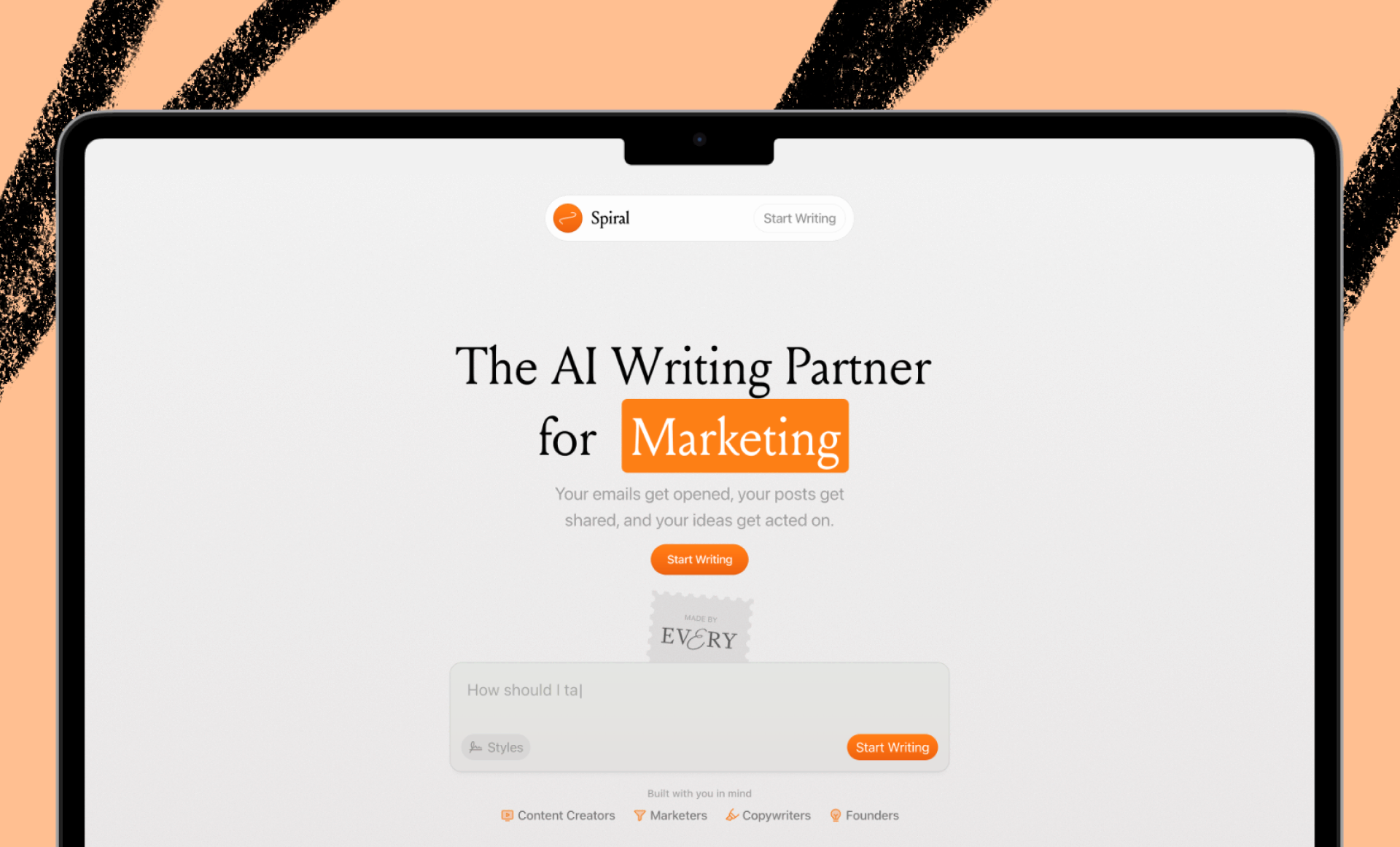
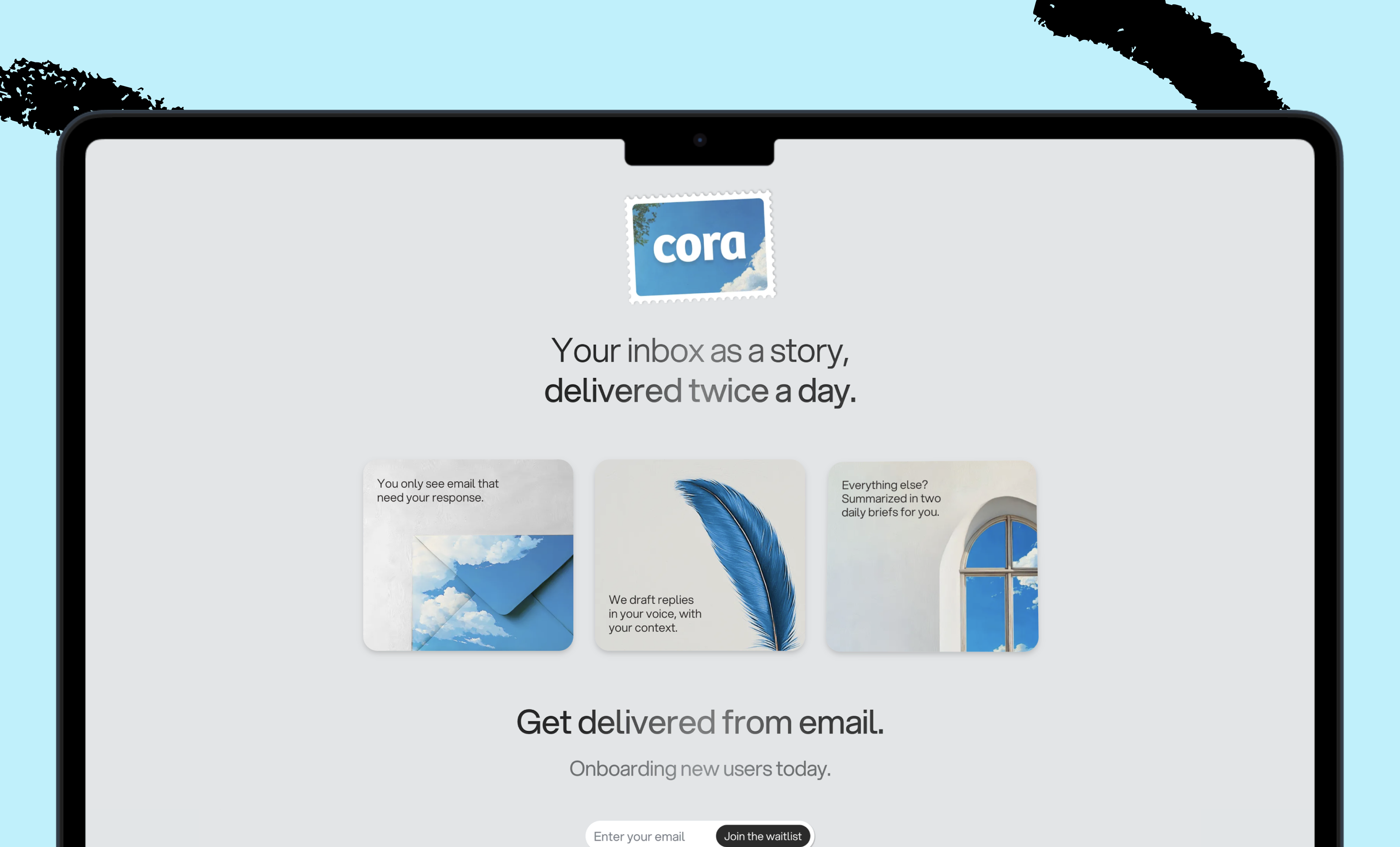
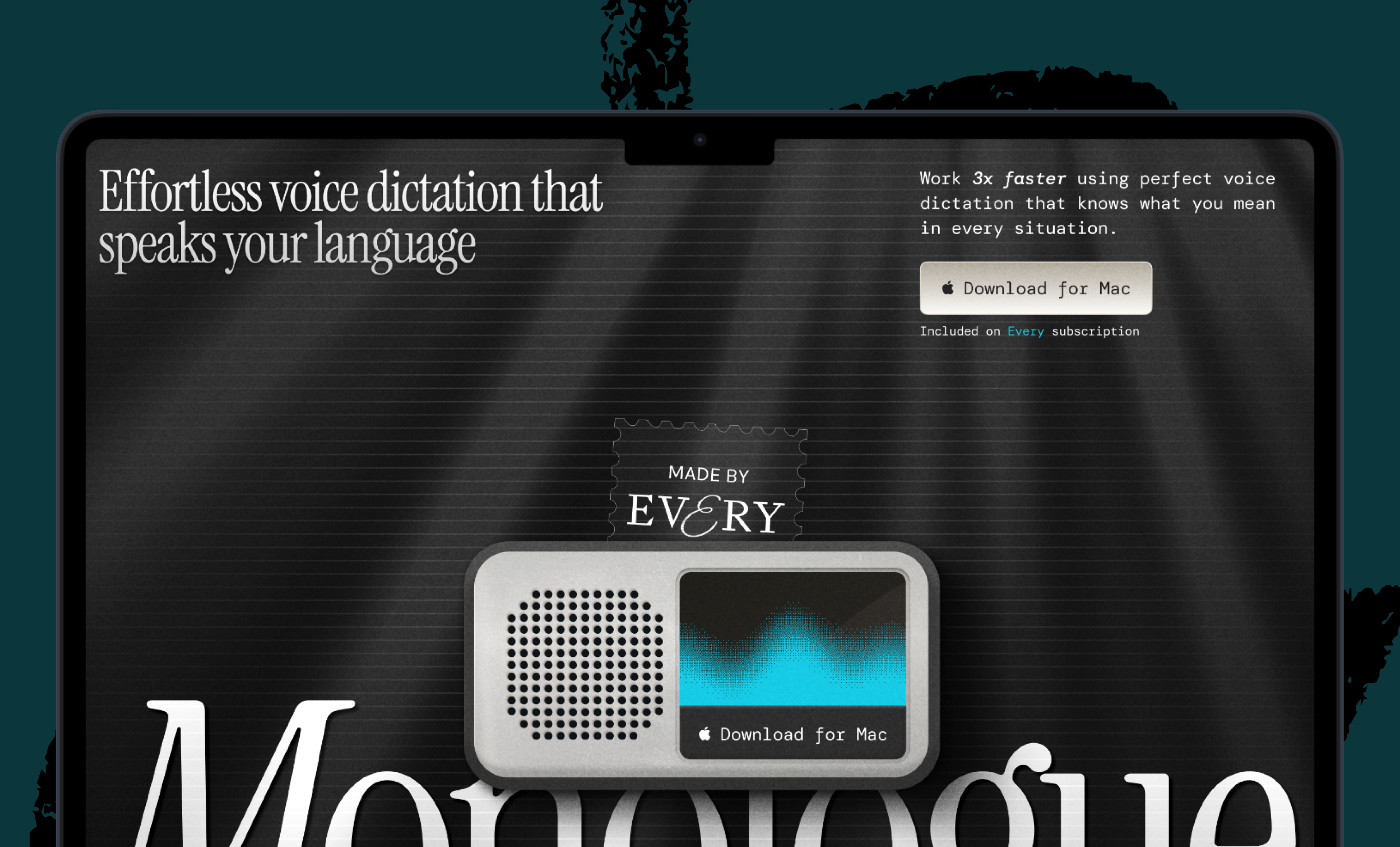
We build AI tools for readers like you. Write brilliantly with Spiral. Organize files automatically with Sparkle. Deliver yourself from email with Cora. Dictate effortlessly with Monologue.
We also do AI training, adoption, and innovation for companies. Work with us to bring AI into your organization.
Get paid for sharing Every with your friends. Join our referral program.
For sponsorship opportunities, reach out to sponsorships@every.to.
The Only Subscription
You Need to
Stay at the
Edge of AI
The essential toolkit for those shaping the future

"This might be the best value you
can get from an AI subscription."
- Jay S.
 Every Content
 AI&I Podcast
 Monologue
 Cora
Cora
 Sparkle
 Spiral
Join 100,000+ leaders, builders, and innovators

Email address

Already have an account? Sign in
What is included in a subscription?
Daily insights from AI pioneers + early access to powerful AI tools
 Front-row access to the future of AI
 In-depth reviews of new models on release day
Playbooks and guides for putting AI to work
Prompts and use cases for builders
In-depth reviews of new models on release day
Playbooks and guides for putting AI to work
Prompts and use cases for builders
In-depth reviews of new models on release day
Playbooks and guides for putting AI to work
Prompts and use cases for builders
In-depth reviews of new models on release day
Playbooks and guides for putting AI to work
Prompts and use cases for builders
 Bundle of AI software



.png)
 Every Staff

 Evan Armstrong
.png)
 Reviews of new AI models on release day
Comments
Don't have an account? Sign up!